
About this topic
Pain is the body’s protective alarm. After an injury, this alarm can stay sensitive for a while, so pain may continue even as tissues heal. Hurt does not always mean harm.
Many things can turn the volume of pain up or down, including sleep, stress, mood and activity. This is a normal part of how the nervous system works.
What people often notice
- Pain that changes from day to day
- Pain that feels stronger when tired or stressed
- Worry about whether movement will cause harm
- Feeling frustrated that recovery is taking time
How the care team can help
Clinicians can explain what is causing pain and what to expect, which many people find reassuring. Understanding pain is part of evidence-based care under Care-First.
Concerns about pain, including whether it is changing, are always worth raising with the care team.
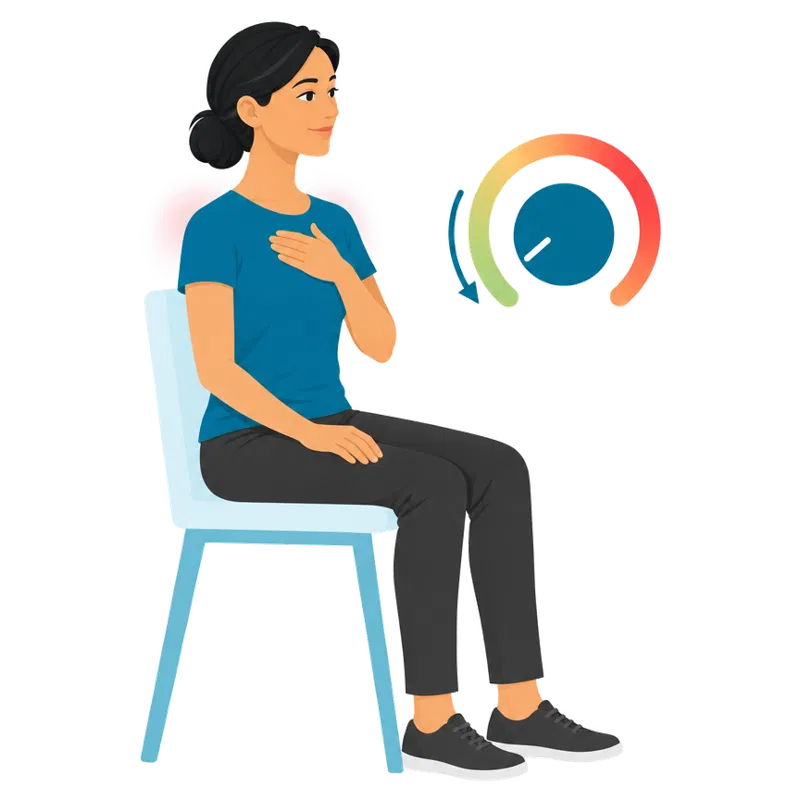

Illustrations show everyday situations. They are not instructions or recommendations.
When to get help sooner
Some signs should be checked quickly. Anyone noticing the following should contact their care team or a doctor right away. In an emergency, call 911.
- New, severe or rapidly worsening pain
- Pain with fever, numbness or weakness
- Pain after a new fall or injury
Care under Care-First
Recovery is about more than the injured area. Under Care-First, the care team looks at the whole person, including pain, sleep, mood, daily tasks and getting back to work, and can connect people with other supports when needed.
STEP 1
Whole person
Care teams consider pain, sleep, mood and daily life.
STEP 2
Ask
Any concern is worth raising at a visit.
STEP 3
Connect
The care team can point to other supports.
Next steps
The first step is an assessment at a clinic of the claimant's choice, where a clinician looks at the injury and explains the options. Any qualified clinic can provide care under Care-First, and ACFN clinics across Alberta are one option. Before the first visit, it can help to write down what has changed since the collision, such as new symptoms or everyday activities that are now harder. This helps the clinician understand the injury and plan care. Questions about care are best answered by the treating clinician.
KEEP READING
More claimant resources

Mood and feelings
Stress and worry after a car crash are common. Support is available.
Read this guide →
Sleep after an injury
Why sleep can be harder after a collision, and why it matters for recovery.
Read this guide →
Everyday tasks
How an injury can affect daily tasks at home and work, and where to get support.
Read this guide →This guide is general information about the injury and how care works. It is not medical advice and does not recommend any treatment or exercise. Treatment decisions are made with a health care provider.
