
About this topic
After an injury, everyday tasks like cooking, cleaning, shopping, driving or desk work can take more effort or cause discomfort.
This is common, and for most people it improves as recovery progresses.
What people often notice
- Tasks taking longer than usual
- Discomfort with lifting, reaching or bending
- Feeling tired after activities that used to be easy
- Needing more help from others for a while
How the care team can help
The care team can talk through which daily tasks are hardest and what may help. Some people are also referred to an occupational therapist for advice specific to their home or work.

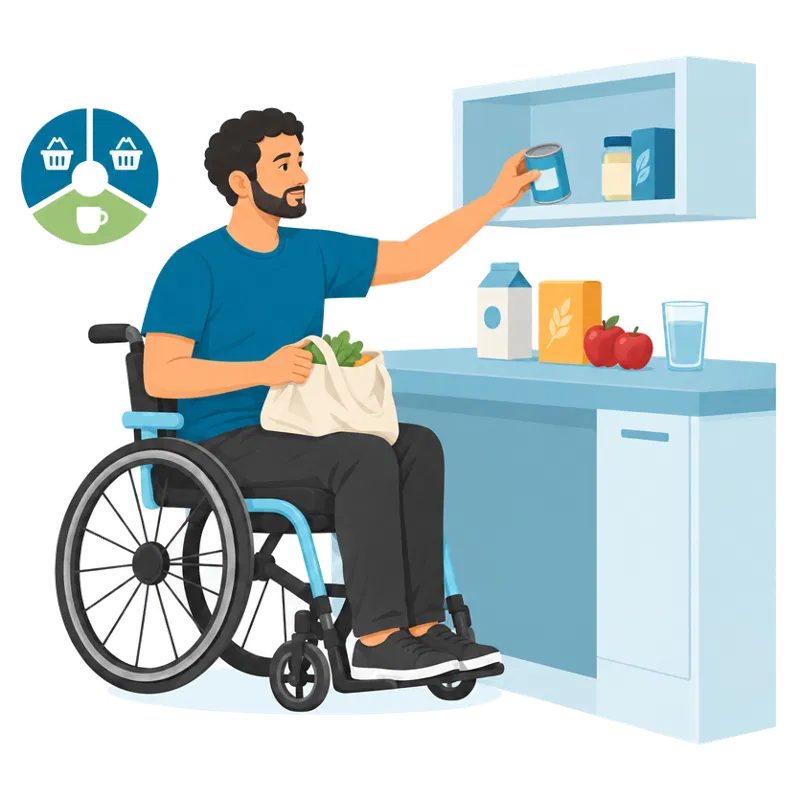
Illustrations show everyday situations. They are not instructions or recommendations.
When to get help sooner
Some signs should be checked quickly. Anyone noticing the following should contact their care team or a doctor right away. In an emergency, call 911.
- A sharp increase in pain during a task
- New numbness, weakness or loss of balance
- Being unable to manage basic daily needs
Care under Care-First
Recovery is about more than the injured area. Under Care-First, the care team looks at the whole person, including pain, sleep, mood, daily tasks and getting back to work, and can connect people with other supports when needed.
STEP 1
Whole person
Care teams consider pain, sleep, mood and daily life.
STEP 2
Ask
Any concern is worth raising at a visit.
STEP 3
Connect
The care team can point to other supports.
Next steps
The first step is an assessment at a clinic of the claimant's choice, where a clinician looks at the injury and explains the options. Any qualified clinic can provide care under Care-First, and ACFN clinics across Alberta are one option. Before the first visit, it can help to write down what has changed since the collision, such as new symptoms or everyday activities that are now harder. This helps the clinician understand the injury and plan care. Questions about care are best answered by the treating clinician.
KEEP READING
More claimant resources
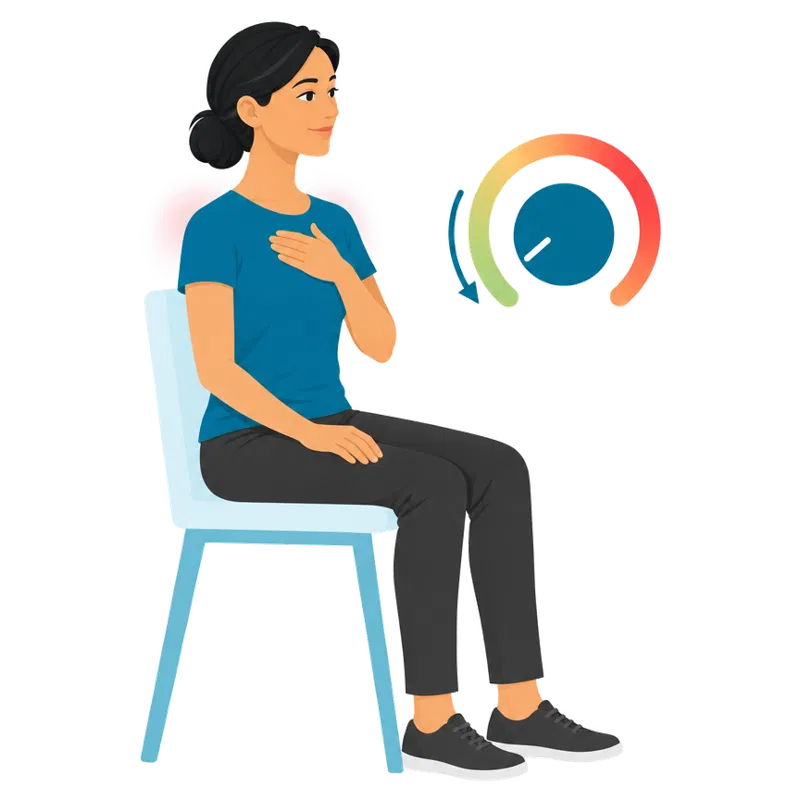
Understanding pain
Why pain can linger after an injury, even as the body heals.
Read this guide →
Mood and feelings
Stress and worry after a car crash are common. Support is available.
Read this guide →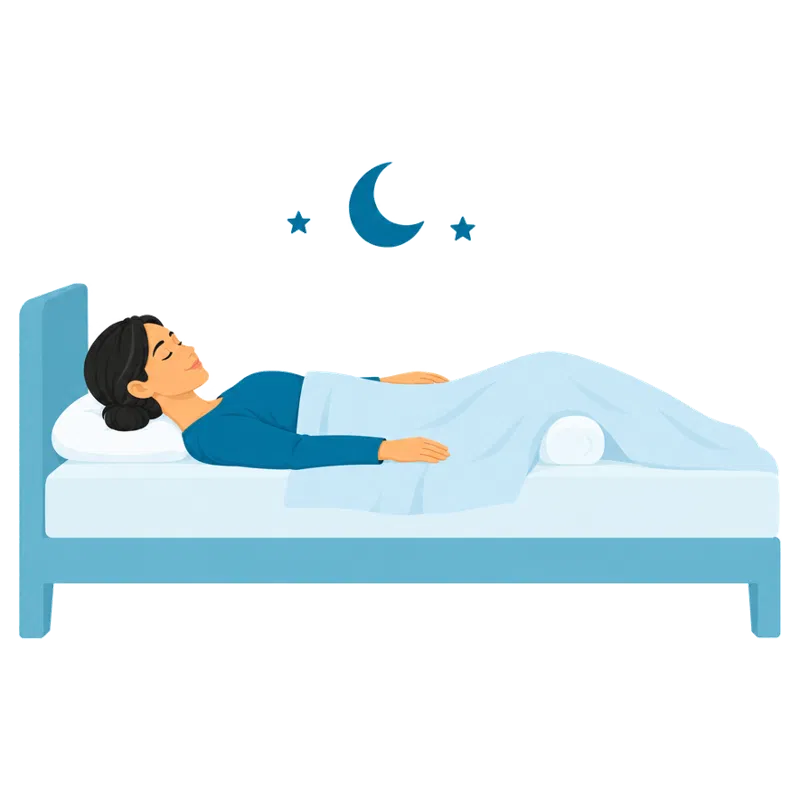
Sleep after an injury
Why sleep can be harder after a collision, and why it matters for recovery.
Read this guide →This guide is general information about the injury and how care works. It is not medical advice and does not recommend any treatment or exercise. Treatment decisions are made with a health care provider.
