
About this injury
The shoulder is the most mobile joint in the body, which also makes it easy to strain. In a collision, bracing against the steering wheel or the pull of a seatbelt can sprain or strain the muscles, tendons and ligaments around the shoulder.
Shoulder sprains and strains often cause pain with reaching or lifting. Many improve over weeks, though recovery time varies with the type of injury.
Common symptoms people notice
- Pain when reaching up, out to the side or behind the back
- Stiffness or reduced range of movement
- Aching that is worse at night or when lying on that side
- A feeling of weakness when lifting
What care may include
Care starts with a comprehensive assessment by a physiotherapist, chiropractor, nurse practitioner or physician. For a shoulder injury, this includes checking areas of tenderness and pain, how far the arm can move in each direction, and the strength of the muscles around the shoulder.
Under Care-First, care follows the government-set care pathway for shoulder injuries, which is based on evidence about what helps these injuries. Depending on the injury, care may focus on restoring shoulder movement and strength, often starting gently and building over time, with exercise-based therapy and hands-on care. The clinician decides what is appropriate, how often, and when to adjust it as recovery progresses.
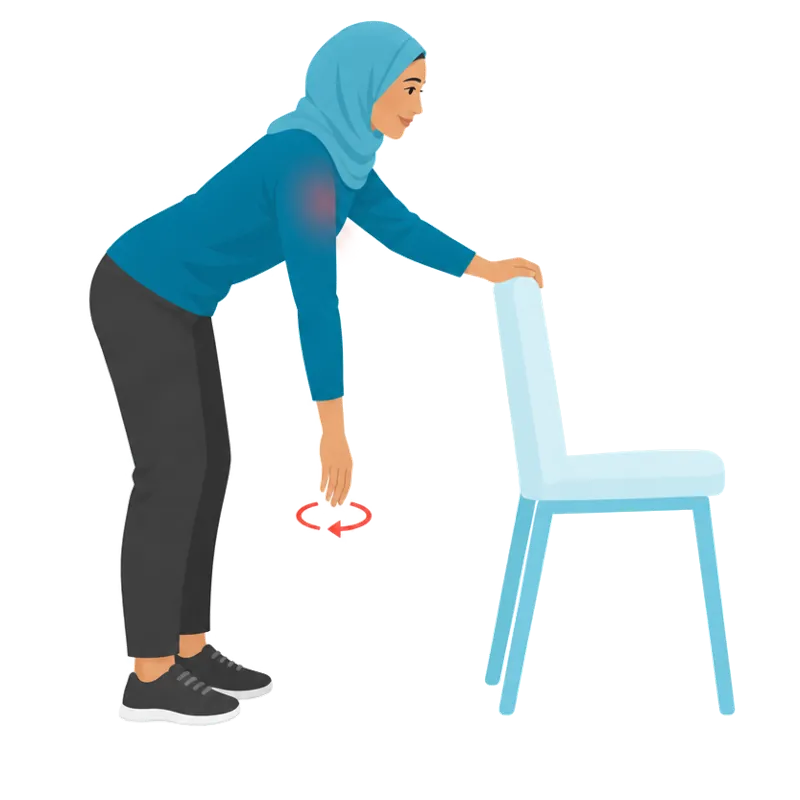
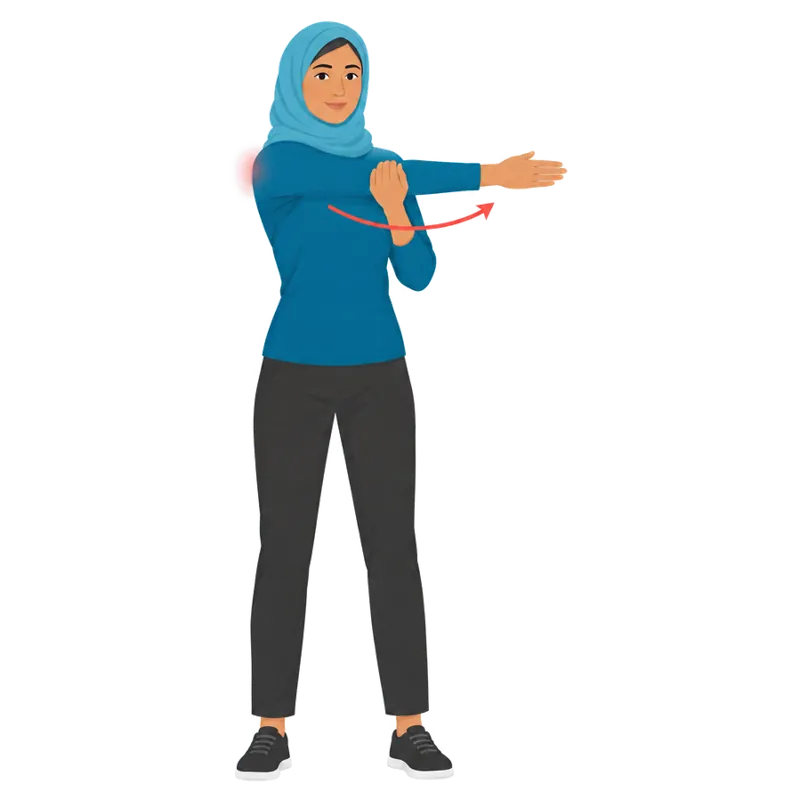
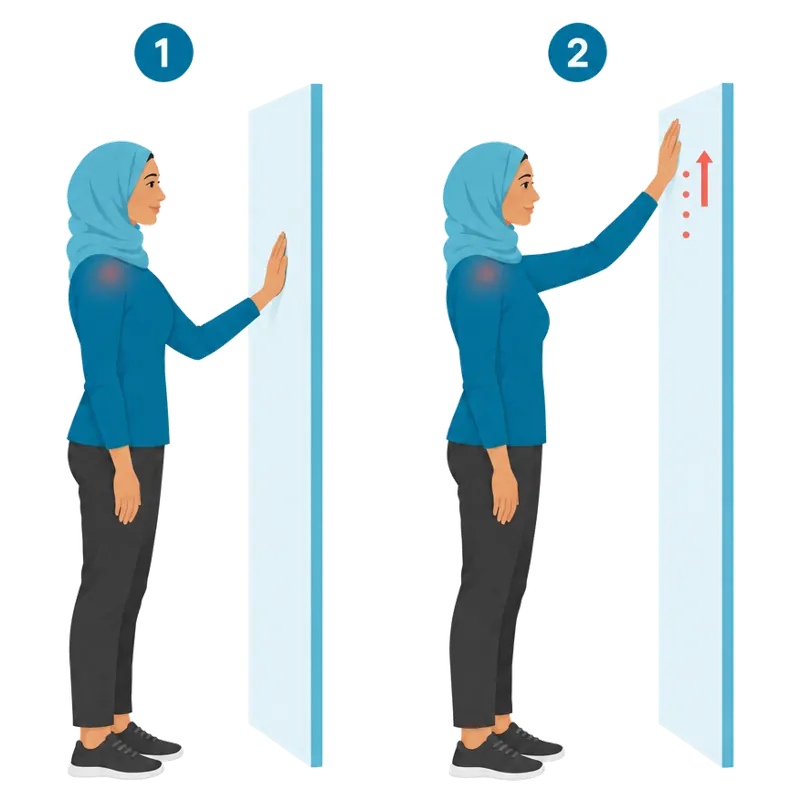
Examples only, to show what care may include. These are not instructions. Exercises should only be done as advised by a treating clinician.
When to get help sooner
Some signs should be checked quickly. Anyone noticing the following should contact their care team or a doctor right away. In an emergency, call 911.
- Being unable to lift the arm at all
- An obvious change in shape, or severe swelling or bruising
- Numbness, tingling or coldness in the arm or hand
Care under Care-First
Usually starts with the government-set program of care. The program is pre-approved, so treatment can begin at the first visit and continue for up to 12 weeks. If recovery needs a different approach along the way, the clinic can move to a customized treatment plan.
STEP 1
Day 1
Claimants choose any clinic. Care is pre-approved.
STEP 2
12 weeks
The program of care, with regular check-ins on progress.
STEP 3
After
If different care is needed, a customized plan can follow.
Next steps
The first step is an assessment at a clinic of the claimant's choice, where a clinician looks at the injury and explains the options. Any qualified clinic can provide care under Care-First, and ACFN clinics across Alberta are one option. Before the first visit, it can help to write down what has changed since the collision, such as new symptoms or everyday activities that are now harder. This helps the clinician understand the injury and plan care. Questions about care are best answered by the treating clinician.
KEEP READING
More claimant resources
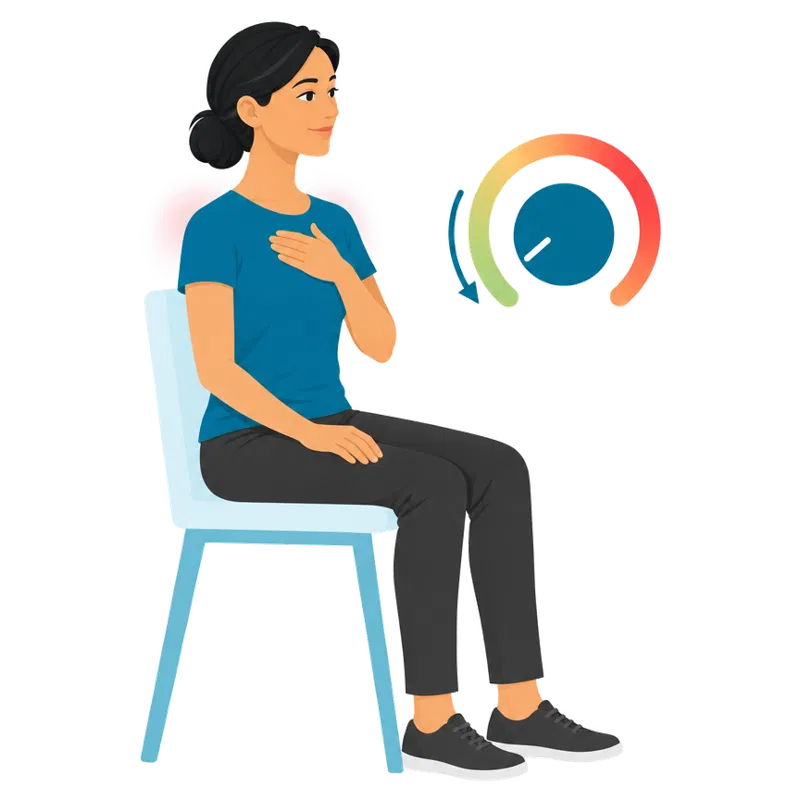
Understanding pain
Why pain can linger after an injury, even as the body heals.
Read this guide →
Mood and feelings
Stress and worry after a car crash are common. Support is available.
Read this guide →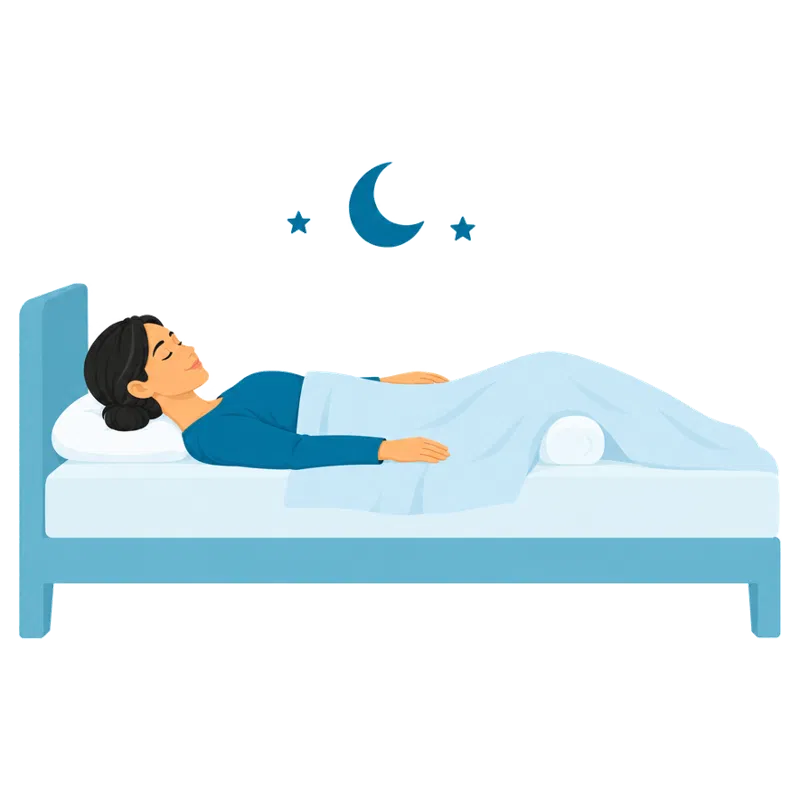
Sleep after an injury
Why sleep can be harder after a collision, and why it matters for recovery.
Read this guide →This guide is general information about the injury and how care works. It is not medical advice and does not recommend any treatment or exercise. Treatment decisions are made with a health care provider.
