
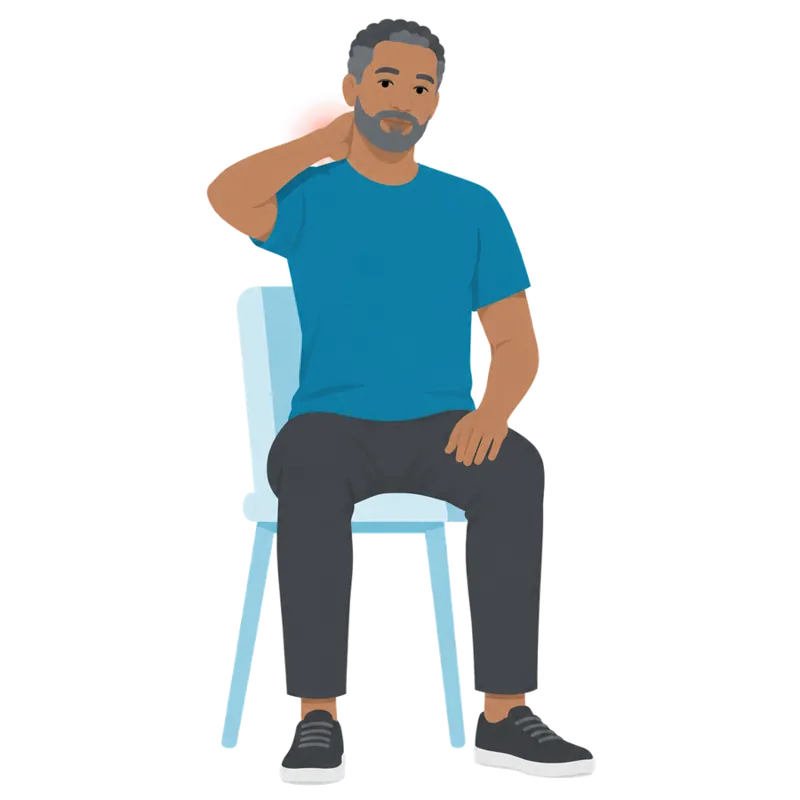
About this injury
Neck injuries are among the most common injuries after a car crash. The sudden movement can strain the muscles, ligaments and other soft tissues that support the neck. This is often called whiplash or a neck sprain or strain.
Symptoms are not always noticed right away; stiffness and soreness often build over the first day or two. For most people these injuries are not serious and improve over time, although the pace of recovery varies from person to person.
Common symptoms people notice
- Stiffness, especially in the morning
- Soreness that spreads to the shoulders or upper back
- Headaches that start at the base of the skull
- Tiredness or trouble getting comfortable at night
What care may include
Care starts with a comprehensive assessment by a physiotherapist, chiropractor, nurse practitioner or physician. For a neck injury, this includes questions about how the injury happened, checking areas of tenderness and pain, a check of neck movement, and a look at the nerves to the arms.
Under Care-First, care follows the government-set care pathway for neck injuries, which is based on evidence about what helps these injuries. Depending on the injury, care may focus on understanding the injury, gently restoring neck movement, and easing muscle tension, often with exercise-based therapy and hands-on care. The clinician decides what is appropriate, how often, and when to adjust it as recovery progresses.
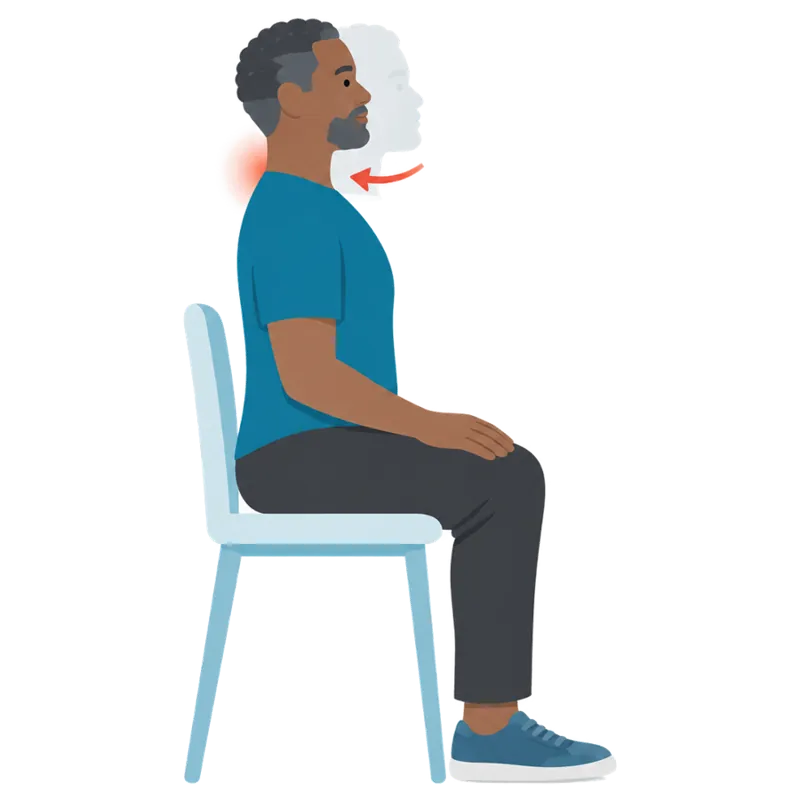
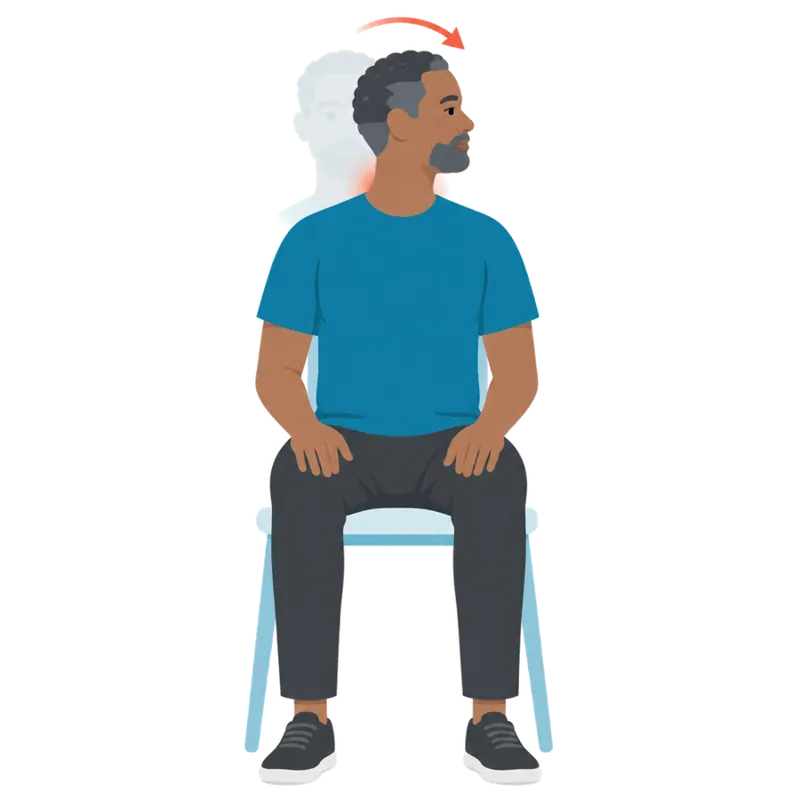
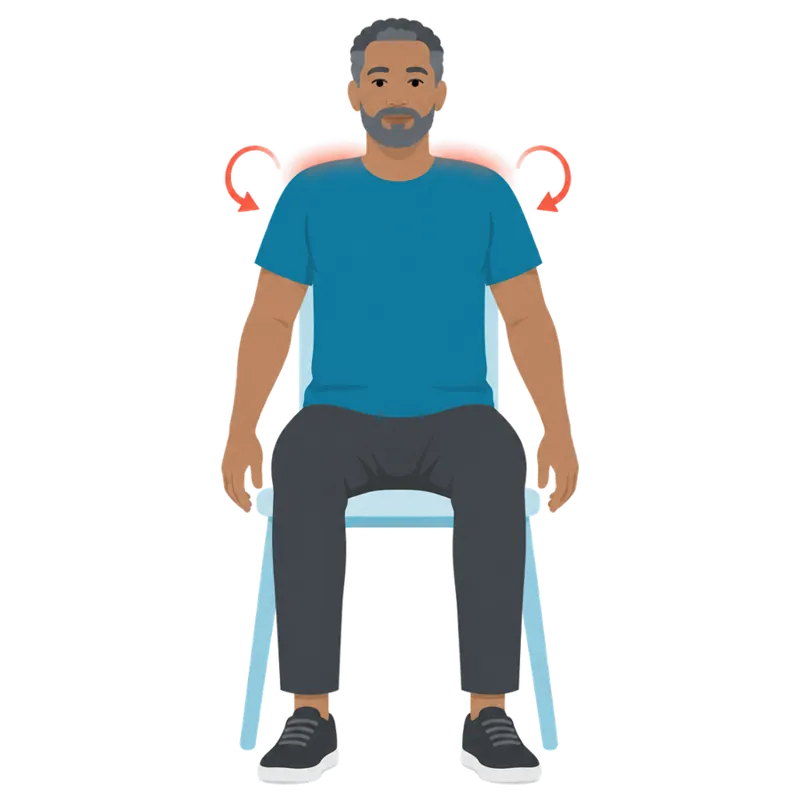
Examples only, to show what care may include. These are not instructions. Exercises should only be done as advised by a treating clinician.
When to get help sooner
Some signs should be checked quickly. Anyone noticing the following should contact their care team or a doctor right away. In an emergency, call 911.
- Numbness, tingling or weakness in the arms or hands
- Pain that is getting steadily worse instead of better
- Severe headache, dizziness, or trouble with vision or speech
Care under Care-First
Usually starts with the government-set program of care. The program is pre-approved, so treatment can begin at the first visit and continue for up to 12 weeks. If recovery needs a different approach along the way, the clinic can move to a customized treatment plan.
STEP 1
Day 1
Claimants choose any clinic. Care is pre-approved.
STEP 2
12 weeks
The program of care, with regular check-ins on progress.
STEP 3
After
If different care is needed, a customized plan can follow.
Next steps
The first step is an assessment at a clinic of the claimant's choice, where a clinician looks at the injury and explains the options. Any qualified clinic can provide care under Care-First, and ACFN clinics across Alberta are one option. Before the first visit, it can help to write down what has changed since the collision, such as new symptoms or everyday activities that are now harder. This helps the clinician understand the injury and plan care. Questions about care are best answered by the treating clinician.
KEEP READING
More claimant resources
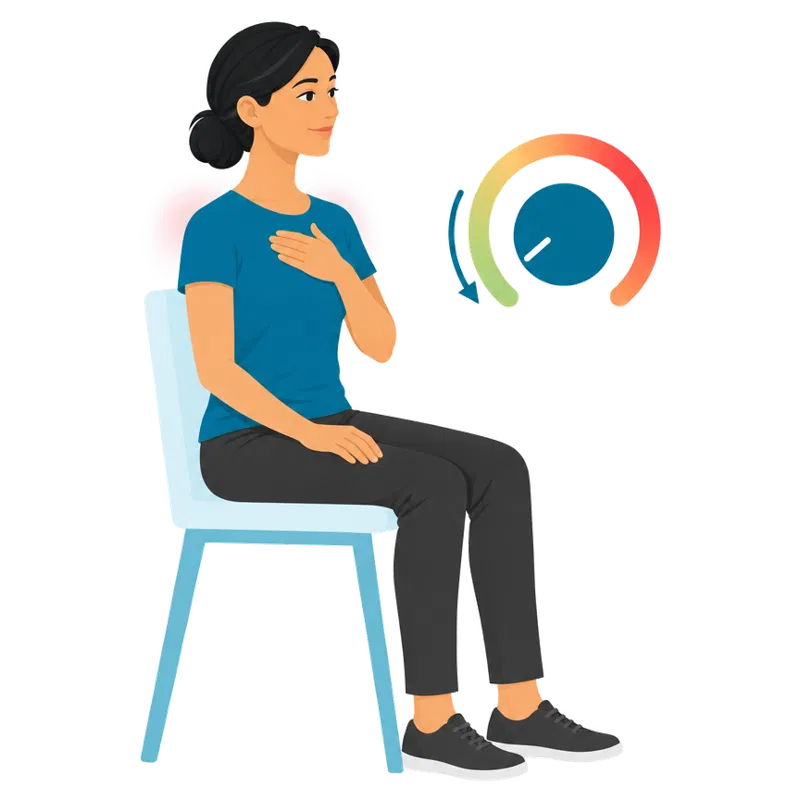
Understanding pain
Why pain can linger after an injury, even as the body heals.
Read this guide →
Mood and feelings
Stress and worry after a car crash are common. Support is available.
Read this guide →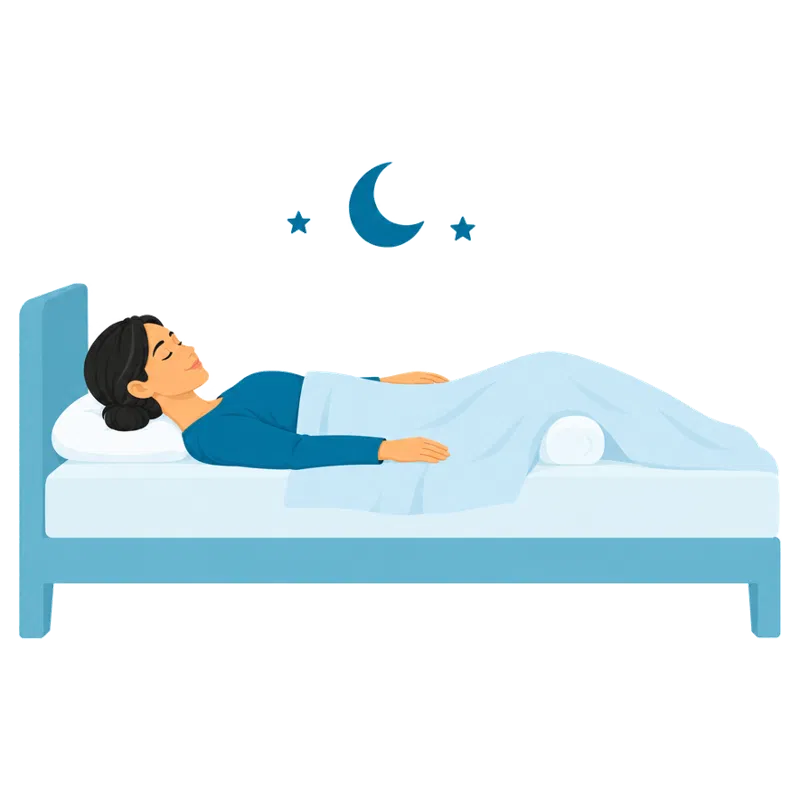
Sleep after an injury
Why sleep can be harder after a collision, and why it matters for recovery.
Read this guide →This guide is general information about the injury and how care works. It is not medical advice and does not recommend any treatment or exercise. Treatment decisions are made with a health care provider.
