
About this injury
Pressing hard on the brake or the floor of the car can injure the ankle or foot in a collision. Sprains are the most common, but fractures can also happen.
Ankle and foot injuries often affect walking and balance. An assessment helps identify the type of injury and what recovery may involve.
Common symptoms people notice
- Swelling and bruising around the ankle or foot
- Pain when walking or standing
- Stiffness, especially in the morning
- A feeling of unsteadiness
What care may include
Care starts with a comprehensive assessment by a physiotherapist, chiropractor, nurse practitioner or physician. For an ankle or foot injury, this includes checking areas of tenderness and pain, swelling, ankle movement, and how well weight can be put on the foot.
Under Care-First, care follows a customized treatment plan built around the specific injury. Depending on the injury, care may focus on managing swelling, restoring ankle movement and strength, and rebuilding balance for walking. The clinician decides what is appropriate, how often, and when to adjust it as recovery progresses.
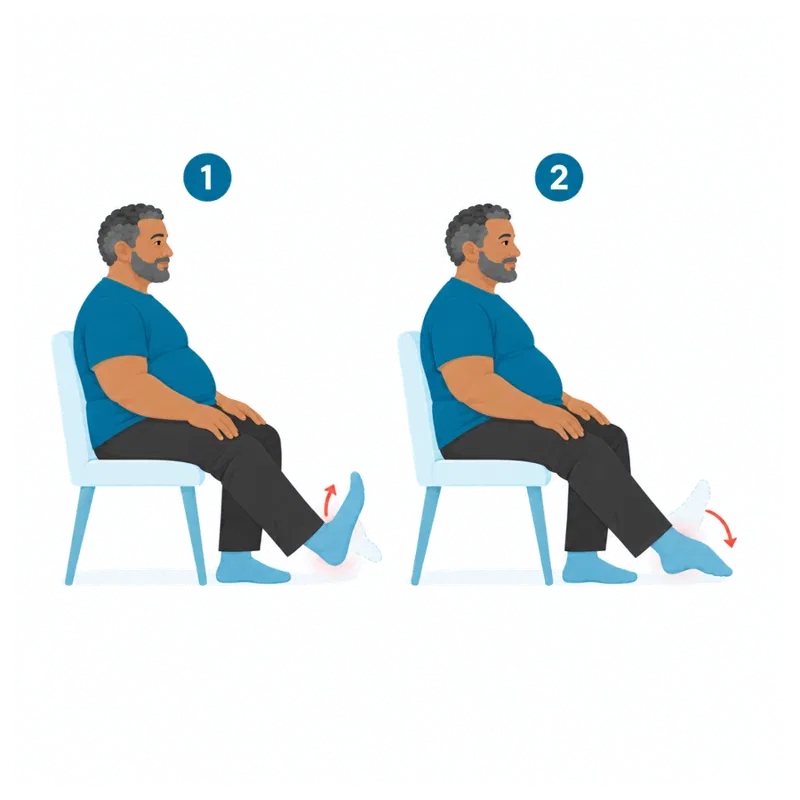
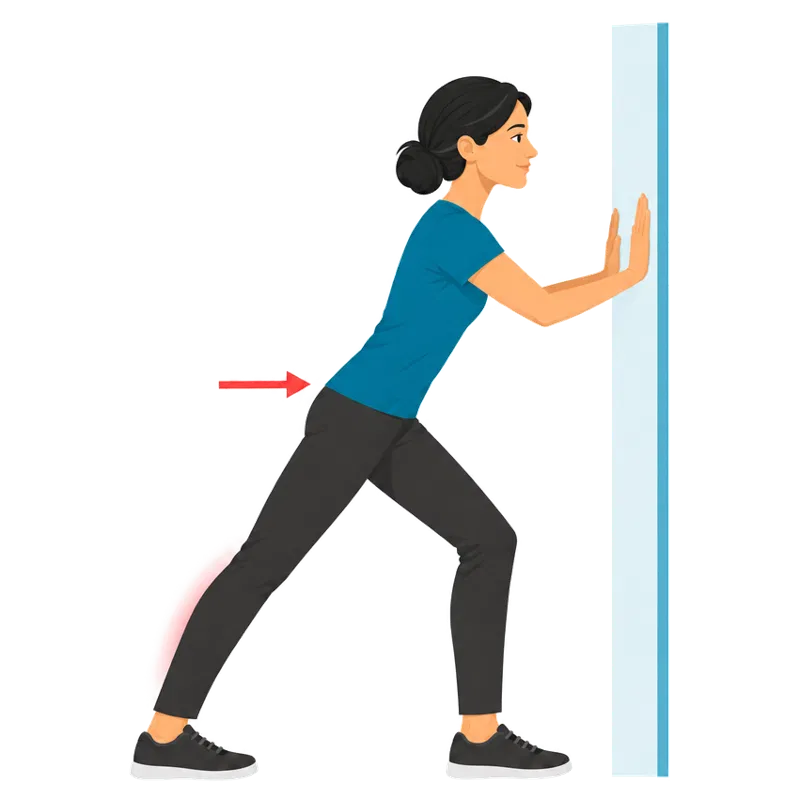
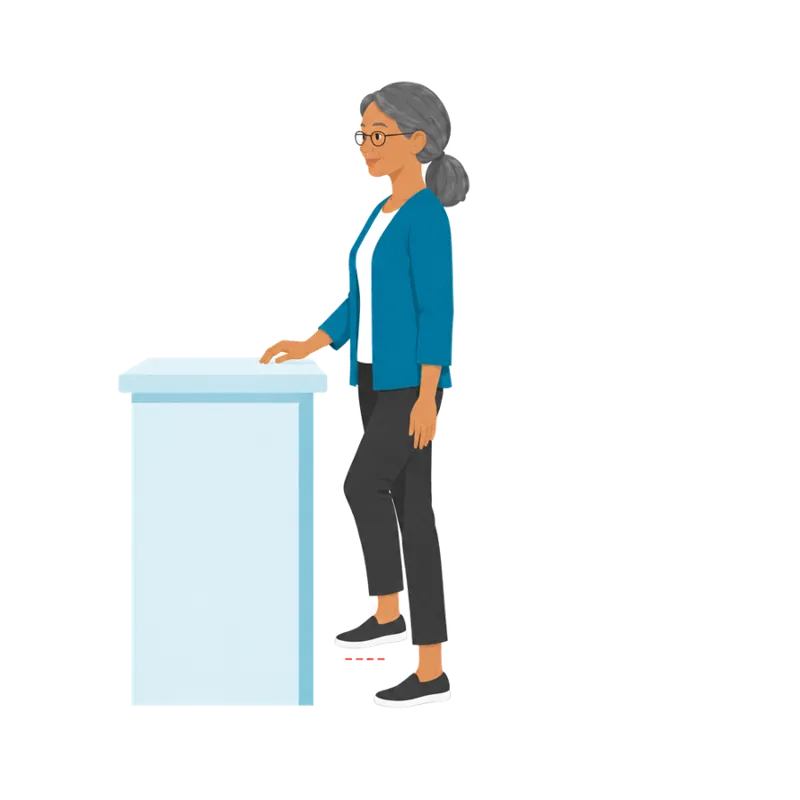
Examples only, to show what care may include. These are not instructions. Exercises should only be done as advised by a treating clinician.
When to get help sooner
Some signs should be checked quickly. Anyone noticing the following should contact their care team or a doctor right away. In an emergency, call 911.
- Being unable to take a few steps
- A change in shape, or a foot that is numb or cold
- New calf pain, swelling or redness
Care under Care-First
Usually cared for through a customized treatment plan. After assessing the injury, the clinic builds a treatment plan suited to the injury. Care can begin any time within 2 years of the collision.
STEP 1
Assess
A clinician assesses the injury at the first visit.
STEP 2
Plan
The clinic builds a customized treatment plan.
STEP 3
2 years
Care can begin any time within 2 years of the collision.
Next steps
The first step is an assessment at a clinic of the claimant's choice, where a clinician looks at the injury and explains the options. Any qualified clinic can provide care under Care-First, and ACFN clinics across Alberta are one option. Before the first visit, it can help to write down what has changed since the collision, such as new symptoms or everyday activities that are now harder. This helps the clinician understand the injury and plan care. Questions about care are best answered by the treating clinician.
KEEP READING
More claimant resources
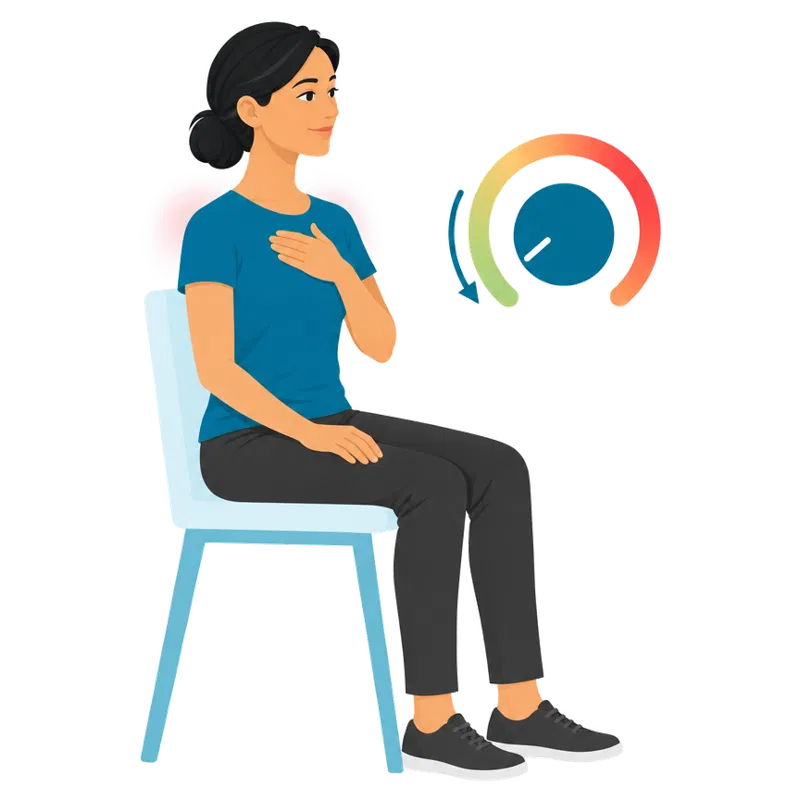
Understanding pain
Why pain can linger after an injury, even as the body heals.
Read this guide →
Mood and feelings
Stress and worry after a car crash are common. Support is available.
Read this guide →
Sleep after an injury
Why sleep can be harder after a collision, and why it matters for recovery.
Read this guide →This guide is general information about the injury and how care works. It is not medical advice and does not recommend any treatment or exercise. Treatment decisions are made with a health care provider.
